
PRESENTATION- DR ERIC HELMS
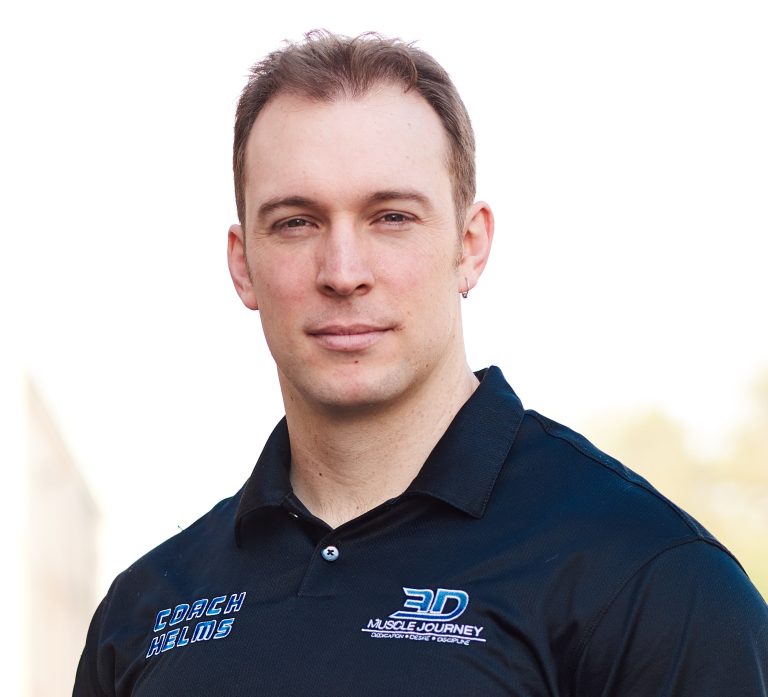
Evidence-based Fundamentals of Strength and Hypertrophy Training
What does it truly mean to be “evidence-based” when designing resistance training programs?
In this presentation, we will explore the foundational principles of strength and hypertrophy training through the lens of the most current scientific literature.
Moving beyond the basics, this session breaks down the “Muscle and Strength Training Pyramid,” starting with the biopsychosocial aspects of lifter adherence (making training realistic, enjoyable, and flexible) and scaling up to the specific variables of volume, intensity, and frequency.
Attendees will learn how to identify the “inverted-U” dose-response relationship for volume, effectively utilize the Repetitions in Reserve (RIR) scale, and synthesize current research to optimize strength and muscle growth.
KEY TAKEAWAYS:
Understand how to truly integrate the best current research with a lifter’s individual preferences and biopsychosocial circumstances.
Identify the dose-response relationship of training volume for both strength and hypertrophy, understanding the minimum, maximum, and practical effective doses.
Master the application of proximity to failure (RPE/RIR) and learn how intensity dictates differential outcomes for strength versus muscle size.
Learn current, evidence-based recommendations for training frequency to maximize adaptations without compromising recovery.
MASTERCLASS
Exercise Selection: Mastering Specificity, Functional Anatomy, and Execution for Strength and Hypertrophy
A 4-hour interactive Masterclass bridging biomechanical theory and gym-floor application through a deep dive into exercise selection and execution.
The session begins with a 30–60 minute theoretical primer on training specificity, exploring how movement specificity and load specificity interact to drive strength adaptations.
Transitioning to hypertrophy, we will examine how functional anatomy influences optimal exercise selection, including how monoarticular and biarticular muscles function and how to effectively target them.
Attendees will also explore the latest research on range of motion and “lengthened-biased” training, learning how to match resistance profiles to muscle length-tension relationships.
The remainder of the Masterclass is a hands-on practicum where attendees will manipulate free weights and cables to alter resistance profiles and apply these biomechanical concepts to maximize targeted adaptations.
KEY TAKEAWAYS
Functional Anatomy for Exercise Selection
Understand the functional anatomy of monoarticular versus biarticular muscles to optimize exercise selection.
Optimising Resistance Profiles & Muscle Tension
Learn how to strategically manipulate equipment to alter an exercise’s resistance profile and place tension on the most stimulative portions of a muscle’s range of motion.
Practical Exercise Execution & Coaching Application
Practically execute and coach these biomechanical adjustments, exercise modifications, and equipment manipulations on the gym floor.